History of Seward
Established in 1960, the Seward Neighborhood Group (SNG) is recognized by the City of Minneapolis as the official community engagement organization for the Seward neighborhood.
Where to Find the Seward Neighborhood
The well-defined boundaries of the Seward Neighborhood set it apart from the rest of the Minneapolis. On the East is the Mississippi River, on the South there is the Short Line Railroad and the Greenway, on the West its Hiawatha Avenue and Milwaukee Railroad, and on the North there is I-94. Bounded with a business district on Franklin and a park at its center, it has the feel and function of a small town.
From Cow Pasture to Fairground
Seward formed in the rapid expansion of the city in the late Nineteenth Century. In 1858 Franklin Avenue was the southern border of the Minneapolis and much of Seward was open prairie that was used as cow pasture by local farmers.
One piece of that cow pasture just south of Franklin, between 26th and 30th Avenues, was developed into a fairground in 1865 by the Minnesota Mechanical and Agricultural Association. Fifteen popular fairs, three of them Minnesota State Fairs were held there until 1884. In the 1890s, the fairground was abandoned, and the land was sold and platted for sale.
Milwaukee Railroad Comes to Town
In 1870 the Milwaukee Road railroad was constructed along Hiawatha Avenue on the western border and small dense residential areas formed south of Franklin and along the railroad. The residents were mostly European immigrant working-class families who worked in the nearby rail yards. The addition of Milwaukee Railroad “Short Line,” in 1881 on the southern boundary led to more residential areas along that line.
Conserving Seward's Natural Beauty
Between 1902 and 1905, the Minneapolis Park Board acquired the land on the west bank of the river to preserve its natural environment. In 1914 the Winchel Trail that begins at the Franklin Avenue bridge and winds along to river to Minnehaha Falls was developed. Immigrants continued to arrive and by 1930 the area was fully developed as a lower to middle income neighborhood with costlier housing along the river road.
The Birth of SNG
In the 1950s problems emerged: some of the housing in Seward had begun to deteriorate, Seward School had no playground, and there was news of the coming construction of I-94 and City urban renewal plans.
This galvanized the Seward PTA leaders to form the Seward Neighborhood Group (SNG) in 1960. For the next two decades they worked to help Seward residents navigate the major changes created by urban renewal where the I-94 Freeway cut through the neighborhood and 35 percent of the housing was cleared.
Our History of Activism
The Seward community became know for their activism. In 1970s they worked with the City to save many Seward West houses from being bulldozed and mobilized to ensure National Historic Preservation status for the small working-class homes that lined Milwaukee Avenue. They argued for affordable housing in the neighborhood which resulted in the construction of Seward’s high-rise apartment buildings.
Seward Redesign worked to attract and develop new local businesses that serve the needs of the neighborhood’s residents and keep the area’s economy vital.
Neighborhood Revitalization
Beginning in 1990 with money provided by the Minneapolis Neighborhood Revitalization Program (NRP), SNG and Seward residents helped to maintain and upgrade housing, remodel the Matthews Center and the Playwrights’ Center, support yearly Arts festivals, and provide computers in Seward Montessori. The NRP program enriched the community and made Seward into a model of development in Minneapolis, but this program ended in 2012. This led to changes in the SNG organization and programs. Some of which are on going.
Bringing East Africa to Seward
Also in the 1990s large numbers of East African immigrants brought their energy, imagination, restaurants, and coffee shops to the neighborhood and changed the character of Franklin Avenue.
Continuous Urban Development
The introduction of the Blue Line Light Rail Transit line in 2004 along the neighborhood’s west side led to the development of Seward Commons housing developments that were completed in 2026.
Seward Today, and Tomorrow
Our goal at SNG is to keep Seward a welcoming and unique place for
people to live, work, and play.

Buy the book, "A People's History of the Seward Neighborhood"
Check out what SNG has to offer
From events and resources to ways to get involved, there’s a lot happening in Seward. Take a look around and find your way in.

Connect with help
From housing and food to health and small business support, we’ve rounded up trusted local resources to help our Seward neighbors find what they need.

Get involved
Each program, initiative, or event serves a different purpose for our community. We hope you find something for you!

Read our Blog
Discover stories from the neighborhood, helpful resources, and informative articles written by our neighbors.
Read more about recent history in Seward
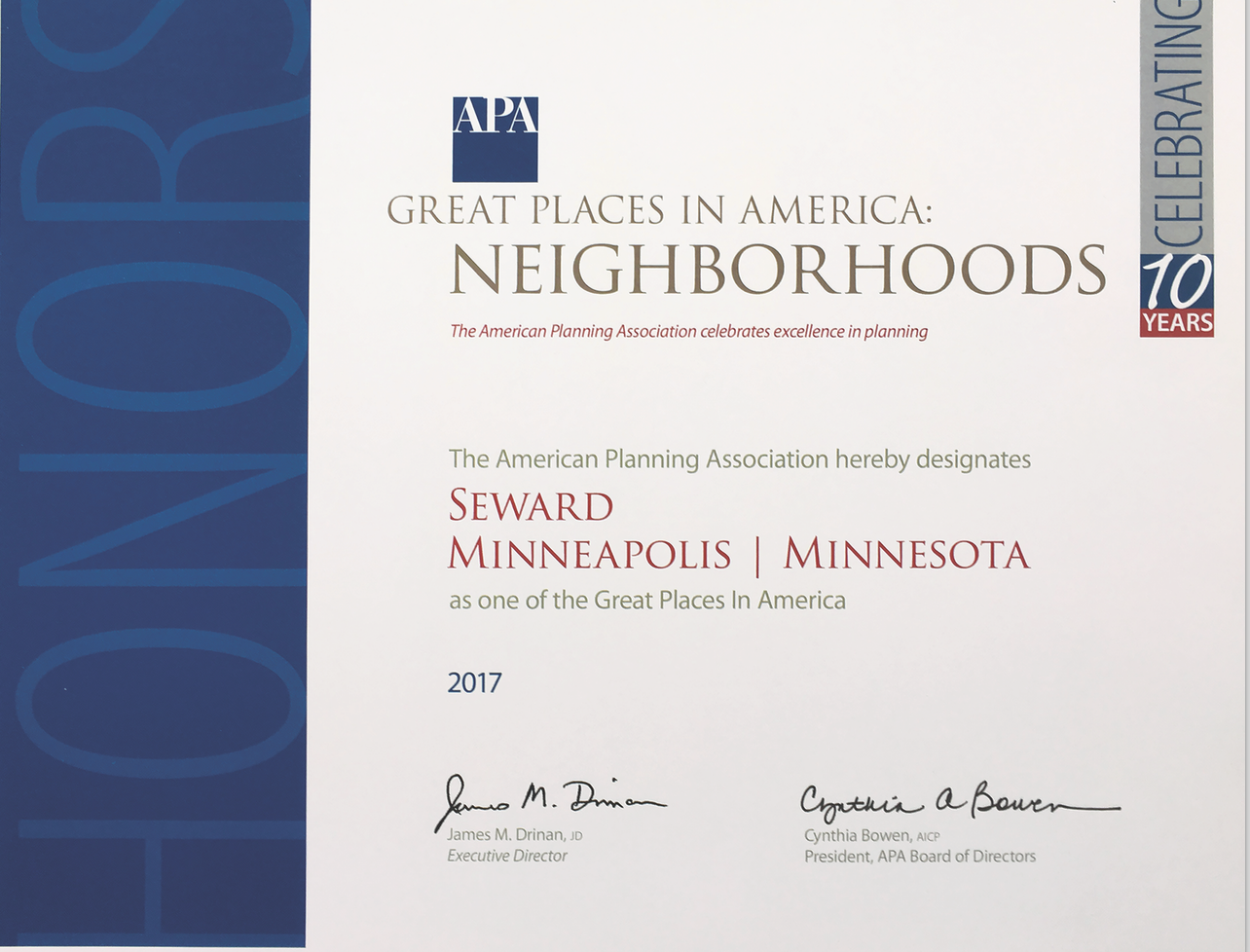
Seward Neighborhood named one of 15 Great Places in America by the American Planning Association
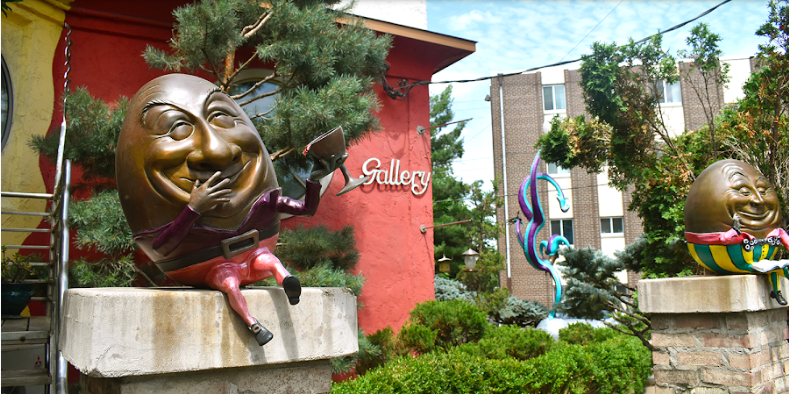
Seward’s Eggheads: Inside the home of the Humpty Dumptys on Franklin Avenue
