
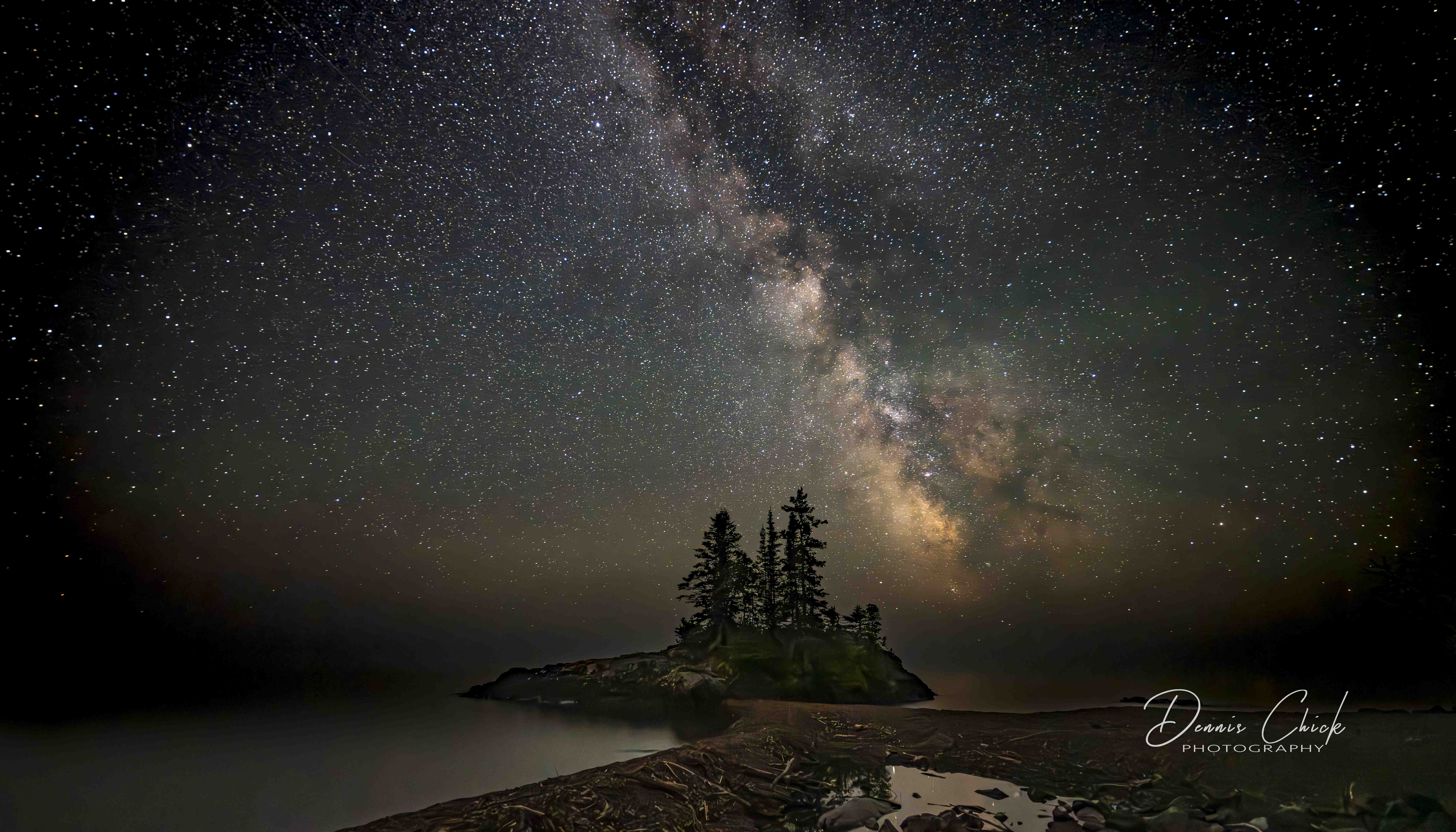
I’ll bet a lot of kids in Seward have never really experienced stars at night. A sky full of stars, with the Milky Way glowing luminous, shooting stars racing across the sky, maybe even Northern Lights… it’s a wonderful experience. It’s one of those rare combinations of peace and excitement that nurtures us. For years, students at Seward Montessori have gone up north to Camp Widjiwagan to experience the natural world, including the glorious night sky. That trip, to a large dark sky sanctuary, is a step in the right direction. We can help our kids and ourselves by learning to appreciate darkness. When we use light more wisely we can experience environmental, financial, and spiritual benefits.
Just a few generations ago, people endured darkness all night long, and city dwellers couldn’t do much after dark. People were pleased and excited when artificial lighting came along. Since then we’ve increasingly lit up the night. In many places we’ve continued past what’s needed, often overwhelming our environment with artificial light. You can look at a map of light pollution to see how well we’ve lit up the world. Now there’s a company, Reflect Orbital, that wants to put 1,000’s of mirrors in orbit in order to light up the night time on a vast scale.
There are strong reasons for our love of light at night: our attitudes, feelings, religions and culture equate darkness with bad and light with good. To ‘turn toward the light’ means to feel hope or take positive action. Of course we need the sun to live, we need light to function, and a sunny day brings joy.
However, our success in banishing darkness comes with a price. We often waste energy and money. Night-time lighting can harm bug and bird populations (bugs are a nuisance, but a world without bugs would not be good for us). Sometimes we reduce our ability to perceive things that matter. I’ve always been impressed, but not in a good way, at how Saint Paul puts its streetlights right near the street signs, making it way more difficult to read the signs.
People feel that light makes them safer, so we light up our streets, yards, buildings, etc. Surprisingly, the evidence on crime reduction is mixed; still, few of us want complete darkness where we live. There are better ways to do this. Our eyes are pretty good in dim light if they get a chance to dark-adapt. Bright light in our visual field cancels out any dark adaptation. Bright lights blasting in all directions can create dark shadows, and can blind you to potential muggers or tripping hazards. We can direct appropriate amounts of light toward the things we need to see, especially with new LED lighting technologies.
My impression is that Minneapolis took a big step in the right direction by installing lights that point at the street or alley, rather than everywhere, including my bedroom window. People sleep better in the dark. I imagine the city is saving money and experiencing benefits. I have lights in my yard, but I’ve reduced the amount of lighting and switched to motion-sensitive lights. Much of this is to provide a better ecosystem for bugs, birds and other beasts.
There are many cities around the world that are redesigning their lighting. Paris has long been The City of Lights. In recent years they’ve designed their lighting to enhance the beauty and visibility of the cathedrals, bridges, and ancient buildings, while allowing for some darkness. Other cities are working on responsive and aesthetic lighting to reduce costs and enhance people’s appreciation for their surroundings.
There’s an island in the Azores that turns off much of their night-time lighting for a few days so that baby birds can find their way to the sea, rather than flying toward the city lights and dying.
Another driver of nighttime lighting might be that power company equipment works more efficiently with even demand levels, but people use electricity mostly during the day. Demand smoothing is a legitimate concern of power companies, but we don’t have to help them by spewing light everywhere. So far there has been less demand for electricity at night — that may change as more people plug in electric vehicles overnight.
There seem to be human health benefits of regular darkness. It helps us sleep, which helps keep us healthy. People who work night shifts suffer more from health problems. Some researchers believe that exposure to light during sleep hours can cause health problems. Blue wavelengths from our phones and computers can cause problems with sleep.
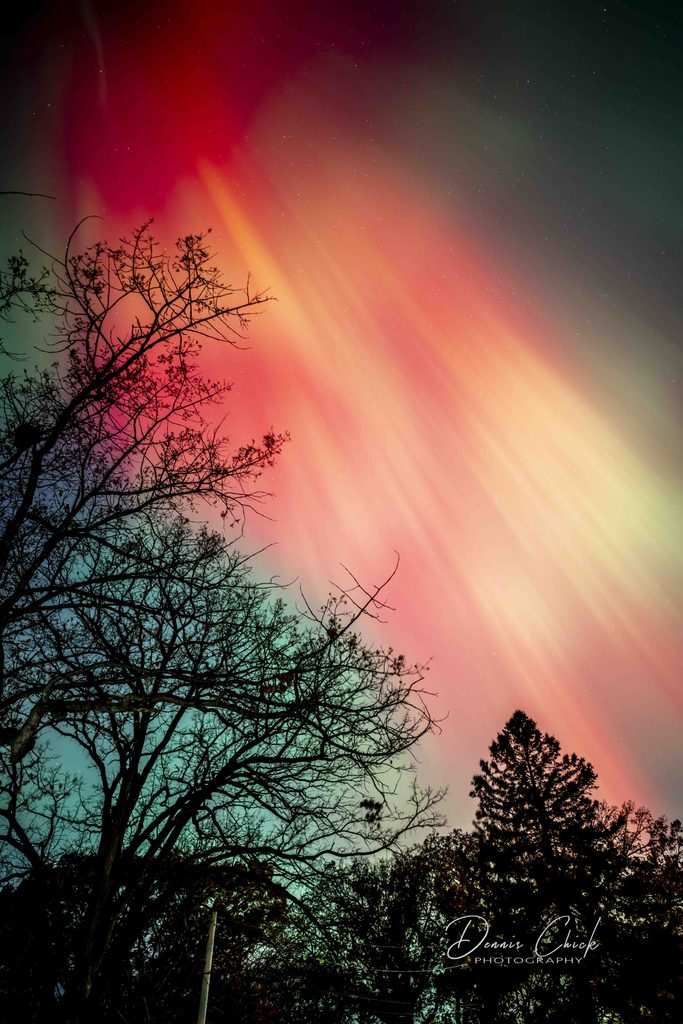
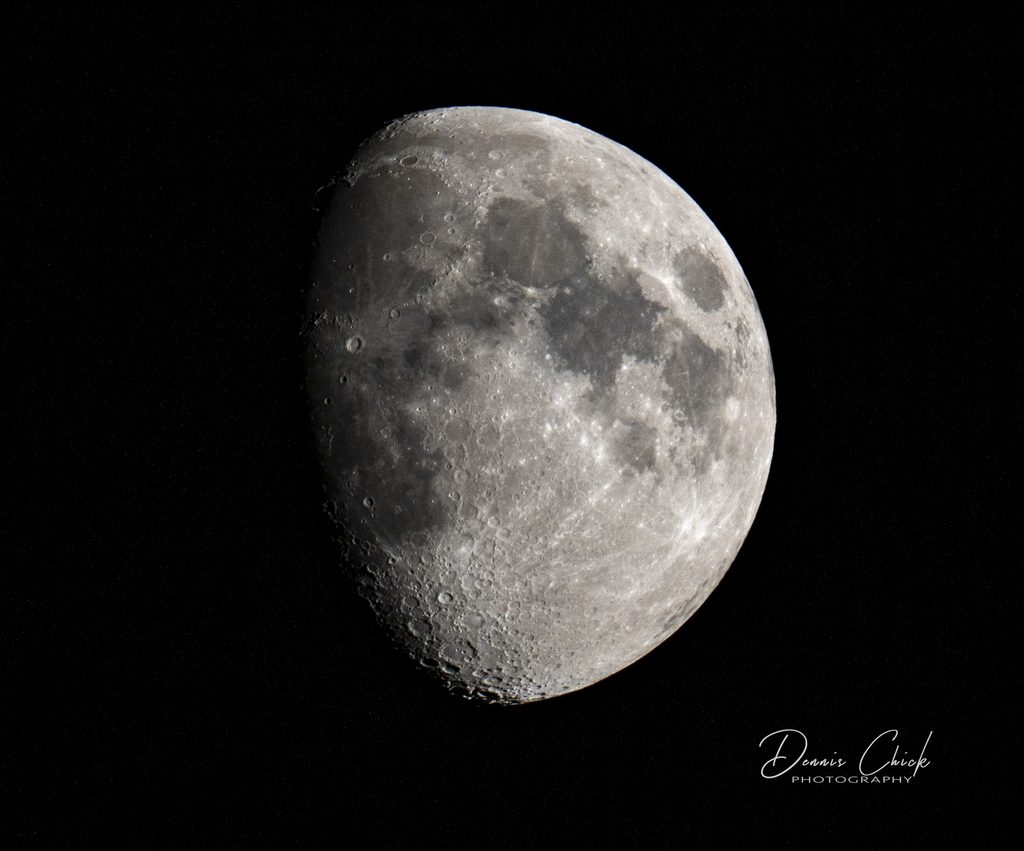
I’ve had wonderful personal experiences with dark night skies. It can be serene, giving us a respite from all the noise in our society. It can be exciting, like the time I skied across a frozen lake while the Aurora Borealis filled the sky with eerie silent flames and curtains of light. It was so bright I didn’t need a flashlight. A different night, I stood on a dock watching the moon rising exactly at the far end of a narrow long lake — it looked like a giant beautiful golden searchlight. Dark and quiet are an increasingly rare combination in our world. I hope that our society can learn to use light more wisely, and help Seward kids experience the good side of darkness.
Many of the thoughts in this essay come from the book “The End of Night”, written by a guy who grew up in Minnesota. I encourage you to read it. You might enjoy the video Northern Nights, Starry Skies, made with people from Hamline University. We don’t have dark skies in the city, but our state parks and natural areas are a within a reasonable drive.
Thanks to our neighbor Dennis Chick for allowing us to use his beautiful photos.